
It is a scandal that writes its own punchline, but the consequences are entirely serious. South Africa's long-awaited national artificial intelligence policy has been delayed to January 2027 after the government withdrew an earlier draft over fabricated academic references, a setback that has triggered renewed scrutiny over how generative AI is being used in policymaking and exposed deep weaknesses in government oversight.
The draft policy had been approved by Cabinet on March 25 and April 1, and published in the Government Gazette on April 10, 2026, for public comment. It had cleared the highest levels of government, including President Cyril Ramaphosa's cabinet, before anyone checked whether its academic foundation was real. The diagnosis was almost immediate: AI hallucinations. The drafters appeared to have fed prompts into a generative AI tool in the same category of technology the policy was meant to govern and published the output without verifying a single citation.
Some of the 67 references listed in the draft either do not exist or point to articles not published in recognised journals. Editors of the South African Journal of Philosophy, AI & Society, and the Journal of Ethics and Social Philosophy independently confirmed to News24 that articles credited to their publications had never been published there.
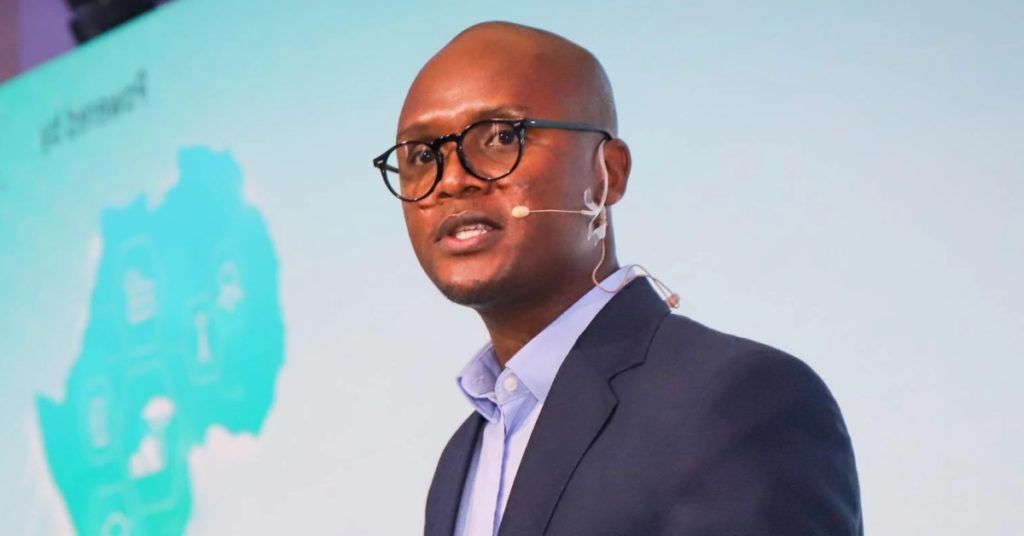
Communications Minister Solly Malatsi admitted to Members of Parliament that internal reviews failed to identify the issues before they were publicised. He called it a "massive oversight" and acknowledged a lack of transparency about whether and how AI tools were used to compile the document's references. Two officials have since been placed on precautionary suspension pending a formal investigation.
Malatsi has established a seven-member independent panel of experts to review the original draft, recommend revisions and replacements for flawed citations, with a revised policy expected to go to Cabinet by November 2026 before a January 2027 public release.
The governance vacuum created by the delay is not abstract. AI usage in South Africa rose to 23.1% of the population in Q1 2026, up from 21.1% in the second half of 2025. The country's AI data centre market is projected to grow from $70 million in 2025 to over $572 million by 2031, driven by Microsoft and Amazon Web Services investments. The infrastructure is being built, adoption is accelerating, and the money is already moving. The policy meant to govern all of it will not arrive until next year at the earliest.
The scandal is not simply that fake citations appeared in a government document. It is that they appeared in a document about artificial intelligence, written by the department responsible for the country's digital technology strategy, during the exact period when the world's most consequential AI governance debates are being fought in Brussels, Washington, and Beijing. Into this landscape, South Africa offered a policy that could not survive a bibliography check.
As Minister Malatsi conceded: "This unacceptable lapse proves why vigilant human AI oversight over the use of artificial intelligence is critical." The lesson, as he acknowledged, writes itself.
Stay Informed: Visit our website for Breaking News, Intelligence, and Insight