
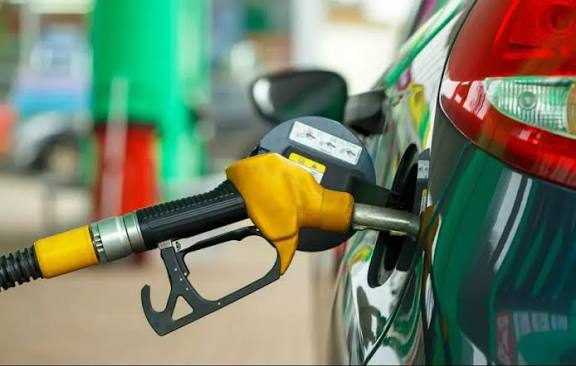
The government's push to wean Nigeria off petrol through compressed natural gas is running into a problem it did not anticipate: cheap petrol.
Oil marketers have projected that some vehicle owners who switched to Compressed Natural Gas as a cheaper alternative fuel may return to Premium Motor Spirit as fuel prices continue to decline across Nigeria, saying the recent drop in petrol prices is already boosting demand for petroleum products and improving market activity for operators with strong distribution networks and efficient supply chains.
The price signal driving that concern is now clearly visible. The landing cost of imported petrol fell to ₦1,041.52 per litre as of June 19, 2026, according to the Major Energy Marketers Association of Nigeria, standing ₦133.48 below the ₦1,175 ex-gantry price quoted by Dangote Refinery. Diesel landed at ₦1,293.19 per litre, substantially below Dangote's ₦1,500 per litre price, with the exchange rate used for import calculations at ₦1,362.13 to the dollar.
Multiple major depots in Lagos have already reduced ex-depot petrol prices by between ₦1 and ₦18 per litre, reflecting growing competition among suppliers as more domestic supply enters the market alongside cheaper imports.
The trigger is the Iran ceasefire. Brent crude, which previously surged above $120 per barrel during peak geopolitical tensions around the Strait of Hormuz, has now eased to the ₦77 to ₦78 range following the fragile US-Iran truce and expectations of improved global supply flows, opening the door to further domestic fuel price reductions.
Nigeria has aggressively promoted CNG adoption as part of efforts to reduce transportation costs and lessen dependence on petrol following the removal of fuel subsidies, with the Presidential CNG Initiative encouraging motorists and commercial transport operators to convert their vehicles to run on natural gas, citing lower operating costs and environmental benefits. However, analysts note that consumer decisions are often driven by comparative fuel costs, and as petrol prices decline, the financial incentive to invest in CNG vehicle conversion could weaken, particularly for private vehicle owners who have yet to make the switch.
The concern is not hypothetical. When petrol was above ₦1,500 per litre during the peak of the Middle East crisis, CNG's cost advantage over petrol was its strongest selling point. With petrol heading toward ₦1,000 per litre territory, that margin narrows significantly.
Industry experts maintain that while lower petrol prices may slow the pace of CNG adoption, long-term growth in the alternative fuel market will depend on infrastructure expansion, refuelling station availability, and government policy support, highlighting the delicate balance between Nigeria's energy transition objectives and market realities.
The government built its CNG push on the assumption that petrol would stay expensive. That assumption is now being tested in real time.
Stay Informed: Visit our website for Breaking News, Intelligence, and Insight.