
When the Central Bank of Nigeria's Monetary Policy Committee chose to leave all rates unchanged at its last meeting, it was not indecision. It was a deliberate bet that the inflation uptick of the past two months is a passing storm, not a new trend, and that bet has direct consequences for how much you earn on savings, how much you pay to borrow, and what happens to the naira in your pocket.
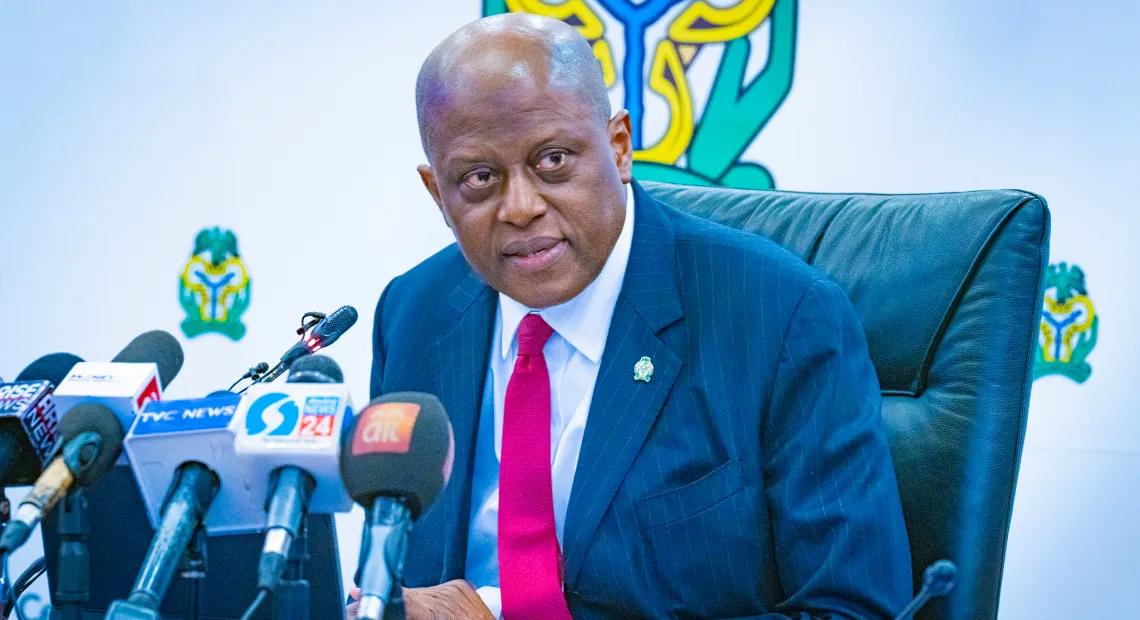
At the conclusion of the Monetary Policy Committee's 305th meeting in Abuja, CBN Governor Olayemi Cardoso announced: "The Committee resolved to retain the Monetary Policy Rate at 26.5 per cent." The decision was reached with all 11 committee members in attendance, following a 50-basis-point reduction in February 2026 and a previous hold at the MPC briefing in November 2025.
The Cash Reserve Ratio for commercial banks remains unchanged at 45%, merchant banks at 16%, with the standing facilities corridor held at +500 to -450 basis points around the MPR. The Liquidity Ratio was retained at 30%, and the requirement for non-TSA public-sector deposits remained at 75%.
Why hold instead of cutting further? The data gave the committee little choice. Nigeria's headline inflation rose to 15.69% in April 2026 from 15.38% in March, marking back-to-back monthly increases that the committee flagged directly as a reason for caution. Cardoso explained that the committee acknowledged inflation had increased slightly for two consecutive months but believes the rise was largely caused by external shocks and may only be temporary. "The decisions of the MPC were anchored on a comprehensive assessment of risks to the outlook," he said.
What this means for the naira. A steady MPR keeps Nigeria's interest rate differential attractive to foreign portfolio investors hunting for yield, which has been a key pillar supporting the naira's recent strength toward ₦1,360 to the dollar. Cutting rates further, even modestly, risks narrowing that differential and triggering the kind of capital outflow that weakens the currency.
What this means for your savings. Fixed deposit and treasury bill rates remain attractive in the near term. With the MPR holding at 26.5%, the gap between the highest and lowest fixed deposit rates on offer across tier-1 banks, merchant banks, and digital lending platforms remains wide enough to meaningfully change what your money earns over twelve months. Savers who have not shopped around for better rates are leaving money on the table.
What this means for borrowing. Little relief is coming for businesses and individuals seeking credit. Commercial lending rates, still pegged well above 25% for most borrowers, remain a significant constraint on private sector investment and a key reason credit to the real economy has continued contracting even as the CBN has cut rates twice since September 2025.
What comes next? The MPC's message is one of disciplined continuity, anchoring expectations and preserving stability while ensuring the foundations of Nigeria's economic recovery remain intact. The committee's next opportunity to move is its 306th meeting in July, by which point May's inflation print of 15.93%, the third consecutive monthly rise, will weigh heavily on the conversation. If the upward trend persists into June, the case for resuming rate cuts will weaken further, and a prolonged hold, rather than a return to easing, may define the rest of 2026.
Stay Informed: Visit our website for Breaking News, Intelligence, and Insight.