
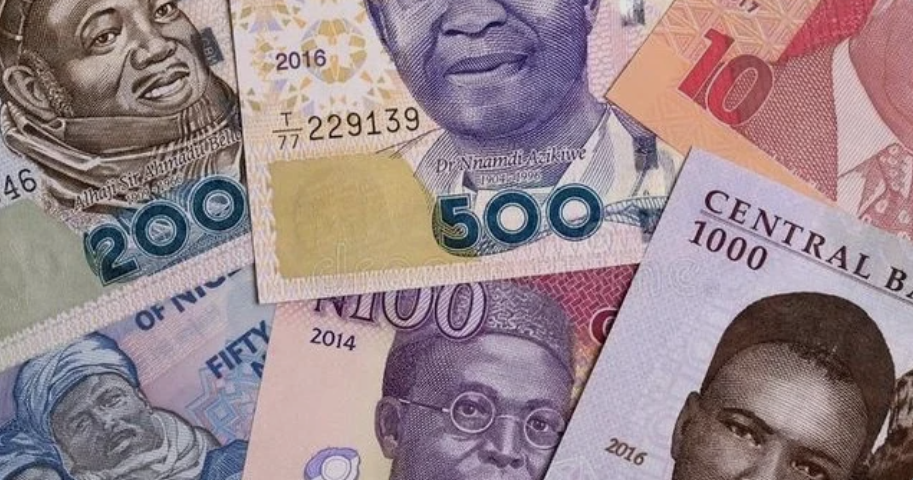
The Central Bank of Nigeria has cut interest rates twice since September 2025, and Nigeria's private sector is still borrowing less. That contradiction sits at the heart of the country's most uncomfortable economic story right now.
Credit to Nigeria's private sector declined by approximately 2.8% year-on-year to ₦75.24 trillion in January 2026, falling from ₦77.38 trillion in January 2025, reflecting softer lending conditions to businesses and households despite recent monetary policy easing aimed at stimulating credit growth. On a month-on-month basis, lending also weakened, dropping 0.8% from ₦75.83 trillion in December 2025.
The peak is now a distant memory. Private sector credit reached ₦78.1 trillion in April 2025 before a persistent downward trend set in, declining in six of the following months and settling well below that high by year-end.
The CBN cut its Monetary Policy Rate by 50 basis points to 26.5% at its February 2026 MPC meeting, the first rate reduction in the new year and the second since the easing cycle began in September 2025, when the MPR was lowered from 27.5% to 27%. Both cuts were intended to unlock productive lending. The data suggests they have not yet done so.
The total domestic credit picture tells an even starker story. Total domestic credit fell by approximately ₦14.26 trillion or 12.57% between October 2024 and October 2025, a contraction driven primarily by a ₦14.60 trillion collapse in credit to the government, while private sector credit edged only marginally higher by ₦0.34 trillion over the same period.
The reason banks are not lending to the productive economy is hiding in plain sight. Over the past two years, Nigerian banks channelled ₦20.4 trillion into treasury bills, government bonds, and other fixed-income instruments, reaping risk-free returns rather than funding productive ventures. This "securities trap" is profitable for banks but disastrous for the economy.
The real sector consequences are measurable. Manufacturers, the backbone of industrial output, have withdrawn en masse from bank loans, with their aggregate borrowings plunging 20.3% in a single year, as financing costs that had risen as high as ₦1.4 trillion retreated by 52.8% to ₦662 billion, not because interest rates fell, but because businesses simply stopped borrowing.
Broad money supply (M3) also contracted to ₦123.36 trillion in January 2026 from ₦124.4 trillion in December 2025, underscoring tightening liquidity conditions that compound the lending decline.
The CBN's rate cuts are pointing in the right direction. But with the Cash Reserve Ratio still locked at 45% for commercial banks and yields on government securities remaining attractive, the structural incentives that pull bank capital away from productive lending remain firmly in place. Lower rates are necessary, but alone, they are not sufficient.
Stay Informed: Visit our website for Breaking News, Intelligence, and Insight