
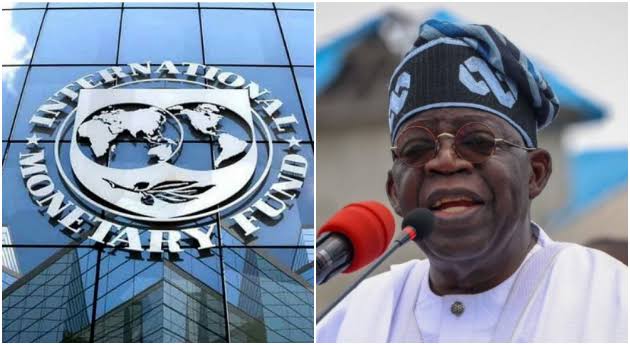
The International Monetary Fund has delivered its most comprehensive assessment of Nigeria's economic reforms since President Tinubu took office, and the verdict is simultaneously the most encouraging and the most sobering the country has received in years.
The IMF Executive Board concluded its 2026 Article IV consultation with Nigeria on June 1, 2026, commending the authorities' reforms over the past three years that have strengthened macroeconomic stability and resilience, while warning bluntly that conditions remain difficult for many Nigerians, with poverty reaching 63% of the national poverty line and an estimated 27 million Nigerians having faced food insecurity in the fall of 2025.
IMF mission chief for Nigeria Axel Schimmelpfennig said the authorities had made "really, really good progress" in restoring macroeconomic stability, pointing to easing inflation, a more functional foreign exchange market, and signs that non-oil activity is beginning to strengthen. Nigeria's economy is projected to grow at 4.1% in 2026.
The macro scorecard is broadly positive. Inflation, which had been declining for over a year, climbed back to 15.4% in March 2026 following increases in international food and fuel prices. The naira appreciated 10% year-on-year against the US dollar in March 2026. But the consolidated government deficit widened to 4.4% of GDP in 2025 from 2.4% in 2024, with oil revenues underperforming budget expectations, and government interest payments consuming 53% of federal revenues in 2025, up from 41% the previous year.
Rising global prices of fuel, food, and fertiliser are expected to improve Nigeria's export earnings and fiscal revenues but could also intensify inflationary pressures and worsen hardship for vulnerable households.
The Fund's policy prescriptions are pointed. The IMF said Nigeria should maintain a neutral fiscal stance in 2026 to support macroeconomic stability and help anchor disinflation, while ensuring priority and social spending are preserved. It backed the CBN's tight monetary stance, calling for its maintenance until disinflation is entrenched and inflation expectations are anchored. It also urged tighter crypto oversight while flagging rising banking sector risks.
On tax policy, the Fund fired a warning shot that will unsettle many. "Domestic revenue mobilisation is appropriately focused on administrative gains in 2026, while tax rate increases will likely be needed over the medium term," the IMF said, adding that any additional fiscal space should be directed toward priority spending, including expanded social protection.
IMF Directors called for additional tax policy measures over the medium term, including to fund a scaled-up cash transfer programme to provide relief to the most vulnerable.
The central paradox of Nigeria's reform moment is now officially on the record at the highest level of global economic governance: a country with improving reserves, a strengthening currency, growing GDP, and a record trade surplus where 63 out of every 100 citizens still live below the national poverty line. Macro stability, the IMF is saying clearly, is not the same thing as economic recovery. The distance between those two destinations is where the next phase of Nigeria's reform journey must be fought.
Stay Informed: Visit our website for Breaking News, Intelligence, and Insight