
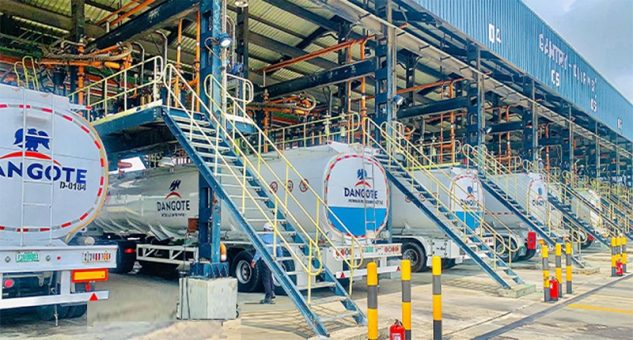
Dangote Petroleum Refinery has cut its ex-gantry petrol price by N50 per litre to N1,125, its second reduction within weeks, as easing global crude oil prices continue to reshape Nigeria’s downstream fuel market. The Dangote Group’s spokesperson, Anthony Chiejina, confirmed the new rate on Thursday, stating that the pricing adjustment had taken immediate effect across the refinery’s operations.
The latest cut follows a N75 reduction on June 16, bringing the cumulative price drop to N125 per litre in less than two weeks. The refinery also lowered its coastal supply price from N1,495,215 to N1,428,165 per metric tonne. Chiejina said the adjustments reflect developments in the global energy market, where crude oil has fallen to between $69 and $73 per barrel, returning to levels recorded before Middle East tensions unsettled supply earlier in the year.
The easing of geopolitical pressure, particularly progress in United States-Iran negotiations over the Strait of Hormuz, has been a key driver of crude’s retreat. Earlier in the year, fears of supply disruption through the strategic waterway had pushed Dangote’s gantry price as high as N1,250 per litre. The refinery subsequently made incremental downward adjustments as international prices softened.
Despite the gantry reduction, retail pump prices have not fully tracked the wholesale decline. Petrol in Abuja and surrounding areas was still selling between N1,241 and N1,305 per litre as of Thursday, well above the factory gate rate. Consumer groups and industry bodies, including the Petroleum Products Retail Outlets Owners Association of Nigeria (PETROAN), have called on marketers, depot operators, and importers to pass the savings from cheaper crude directly to end users.
Market observers say the gap between Dangote’s gantry price and retail pump prices depends largely on distribution costs, marketer margins, and pricing strategies across the supply chain. Some analysts have projected that petrol could trade towards N1,000 per litre if global crude continues to soften and the refinery sustains its competitive pricing. However, industry sources note that the refinery is still processing crude purchased at higher prices, which may limit how quickly those gains reach the pump.
The successive price cuts reinforce Dangote Refinery’s growing influence on Nigeria’s downstream petroleum sector, intensifying competition with fuel importers and putting pressure on depot operators to align their rates with the prevailing market reality.
Stay Informed: Visit our website for Breaking News, Intelligence, and Insight.