
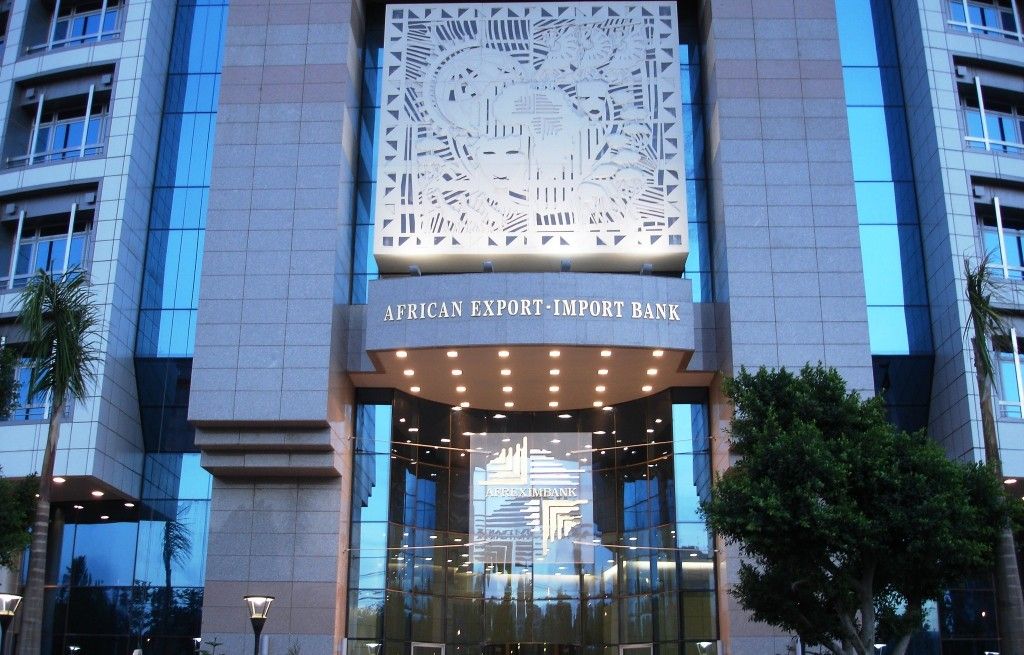
Intra-African trade expanded by 5.5% to $213.8 billion in 2025, up from $202.7 billion the previous year, according to Afreximbank’s 2026 African Trade Report released this week. The $11.1 billion jump, the bank said, was powered by stronger economic activity and expanding trade flows across several African nations, notably Ethiopia, Uganda, the Democratic Republic of Congo, and Zambia.
The report, titled "Leveraging Geopolitics for Trade and Industrialisation in Global Africa," places the intra-regional figure within a broader continental surge. Africa’s total merchandise trade rose 6.1% to approximately $1.5 trillion in 2025, while real GDP growth accelerated from 3.4% in 2024 to 4.5%, outpacing the global average. Aggregate inflation moderated sharply from 21.6% to 13.1% across the continent.
South Africa remained the continent’s largest intra-African trader, accounting for 19.2% of total intra-African trade in 2025, a slight dip from 20.8% in 2024. The country imported goods worth $10.04 billion from other African markets while maintaining exports at $31.1 billion. Morocco continued to serve as a key gateway to North Africa, and Côte d’Ivoire reinforced its role as an agro-industrial hub in West Africa. Nigeria’s share of intra-African trade grew to $9.02 billion during the period.
The findings arrive as African governments push deeper implementation of the African Continental Free Trade Area (AfCFTA). Afreximbank has previously estimated that Africa faces a trade finance gap of roughly $100 billion annually, a shortfall it says continues to limit the continent’s ability to fully capitalise on the free-trade agreement. Despite this, the bank projected that intra-African trade could double within the next decade if AfCFTA implementation accelerates.
Afreximbank acknowledged that significant structural hurdles remain, including infrastructure deficits, limited value-added production in key sectors, and currency volatility. The report identified ten product categories with a combined unrealised trade potential of around $3.1 billion, spanning processed foods, fish and shellfish, and vegetable oils, among others. Cold chain gaps, packaging constraints, and quality standards were flagged as primary barriers to scale in agro-processing.
Afreximbank President George Elombi directed the report at policymakers, investors, and business leaders, positioning it as a strategic tool for stakeholders seeking to engage Africa amid a fragmenting global trade order.
Stay Informed: Visit our website for Breaking News, Intelligence, and Insight.