
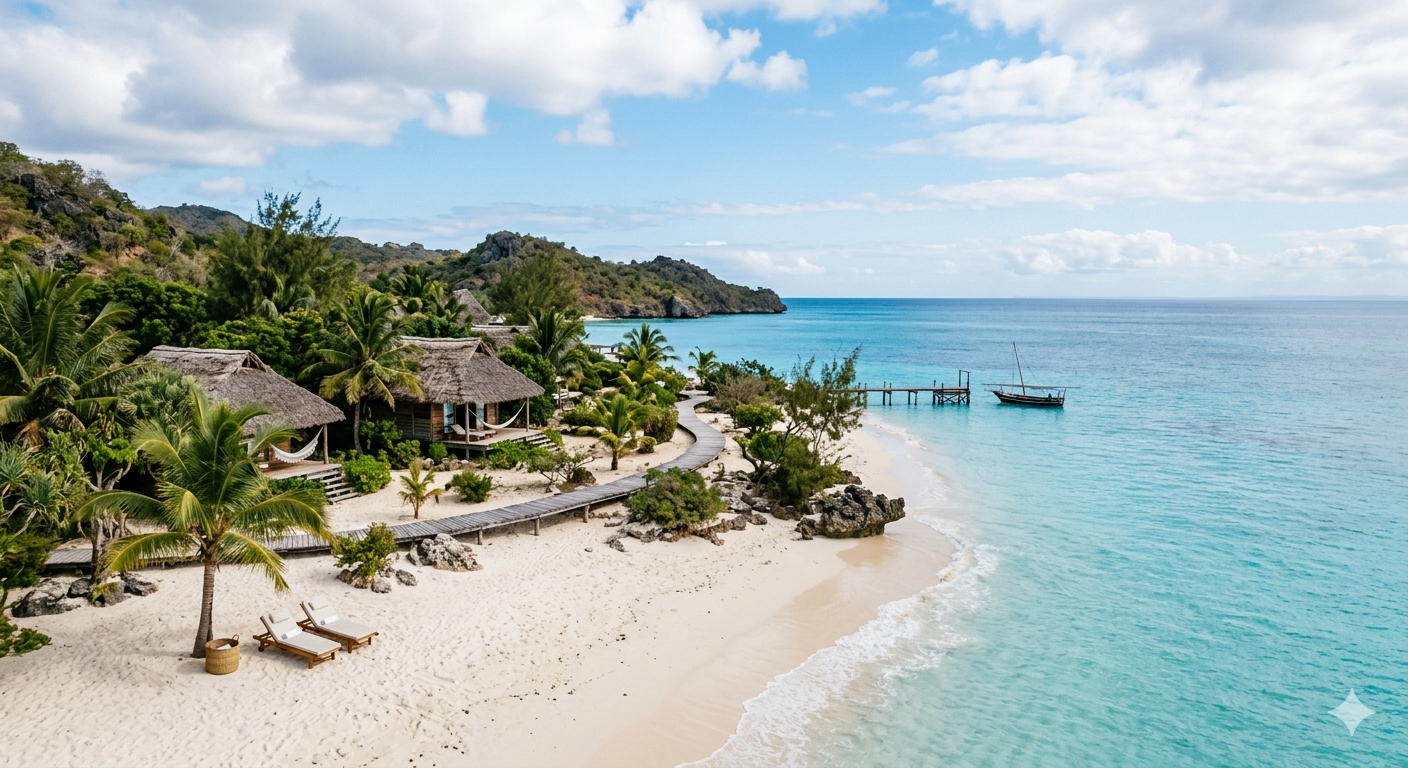
Discover how eco tourism in Africa transforms travel in 2026. Explore top sustainable destinations, key market trends, and practical green travel tips.
The global travel landscape has shifted toward "luxury with a conscience." In 2026, Africa leads this movement as the premier global hub for green exploration. Travel is no longer just about the destination. It is about the positive impact each visitor leaves behind.
Data from the African Wildlife Foundation (AWF) reveals that tourism contributes over $170 billion annually and supports roughly 24 million jobs across the continent. Travelers now demand verifiable conservation impact over passive luxury. They want proof that their journey directly funds habitat protection and community growth. Choosing the right operators ensures a high-value outcome for both your wallet and the ecosystem.
The Pioneers of Nature Tourism Africa
Botswana:
Botswana remains the undisputed champion of sustainable travel in Africa. According to the latest United Nations Tourism numbers, Botswana successfully managed a recovery trajectory reaching over 1.94 million international visitors. The government strictly limits tourist numbers in vulnerable zones like the Okavango Delta.
This brilliant strategy prevents overcrowding and keeps the wilderness pristine. Local luxury camps operate entirely on solar power. They reuse 100% of their wastewater. By keeping guest footprints tiny, they preserve massive elephant migration corridors.
Kenya:
Kenya proves that the Hospitality & Tourism industry thrives when locals hold the keys. Recent Economic Impact Research from the World Travel & Tourism Council (WTTC) shows that travel and tourism contributed $12.7 billion to Kenya’s economy, representing 9.3% of its national GDP. Maasai and Samburu communities directly manage these spaces. Your park fees fund local health clinics and schools. It is a brilliant blueprint where saving lions directly fights rural poverty.
Rwanda:
Rwanda combines nature tourism in Africa with advanced technology. A 2026 annual report released by the Rwanda Development Board (RDB) states that the country's total tourism revenue surged by 6% to reach $685 million. Gorilla tourism remained the leading revenue contributor, increasing by 7% to generate $248 million.
Volcanoes National Park alone generated $35.8 million, which accounted for 87.7% of all national park revenues. They cap daily trekking permits strictly to protect gorilla health. Furthermore, a substantial 10% of all tourism revenue goes directly to neighboring villages. This smart economic model has turned former poachers into dedicated wildlife protectors.
Smart Market Trends Shaping the Industry
The Hospitality & Tourism sector is changing fast. Modern travelers actively reject generic, mass-tourism packages. Recent data show that the global wildlife tourism market is projected to expand significantly, rising from $166.3 billion to an estimated $287.6 billion by 2030. The African wildlife safari segment alone is currently valued at a substantial $12.4 billion.
According to recent 2026 industry updates, over 55% of safari guests now demand zero-plastic policies before booking. Properties across the continent are upgrading to meet this demand. They are swapping diesel generators for off-grid solar arrays. A growing number of these high-end lodges now hire up to 90% of their staff from nearby communities.
Four Practical Tips for the Conscious Traveler
To ensure your next journey supports authentic eco tourism Africa initiatives, follow these practical steps:
Verify Certifications: Look for lodges certified by reputable bodies such as Ecotourism Kenya, where top-tier camps achieve the strict Gold Eco-Rating for environmental and social responsibility.
Say No to Single-Use Plastic: Many African national parks have instituted total bans on single-use plastics. Carry a durable, reusable water bottle.
Support Local Craftsmen: Buy handmade souvenirs directly from village markets rather than corporate airport gift shops.
Offset Your Carbon Footprint: Choose local carbon-offsetting programs that plant indigenous trees in the specific regions you visit.
Frequently Asked Questions
Which African country is the best for sustainable travel in Africa? Botswana is widely considered the top destination. Its strict low-volume tourism model ensures ecosystems are never overrun by massive crowds.
How does nature tourism in Africa benefit local communities? True eco-lodges hire locally, pay fair wages, and source food from neighborhood farmers. Many also allocate a percentage of room rates to community trust funds.
What are the main rules of eco tourism in Africa? The core pillars are minimizing environmental impact, respecting local cultures, and providing direct financial benefits to conservation.
Step Into the Future of Travel
Your next adventure can protect endangered species and empower rural communities. Do not settle for a passive holiday when you can be a catalyst for real change. We provide the ultimate strategy updates for modern sustainable hospitality brands. Let us help you align your business with these lucrative global shifts.
Call us today: +234 806 496 8725
Visit our website to get started: www.thisisbusiness360.com