
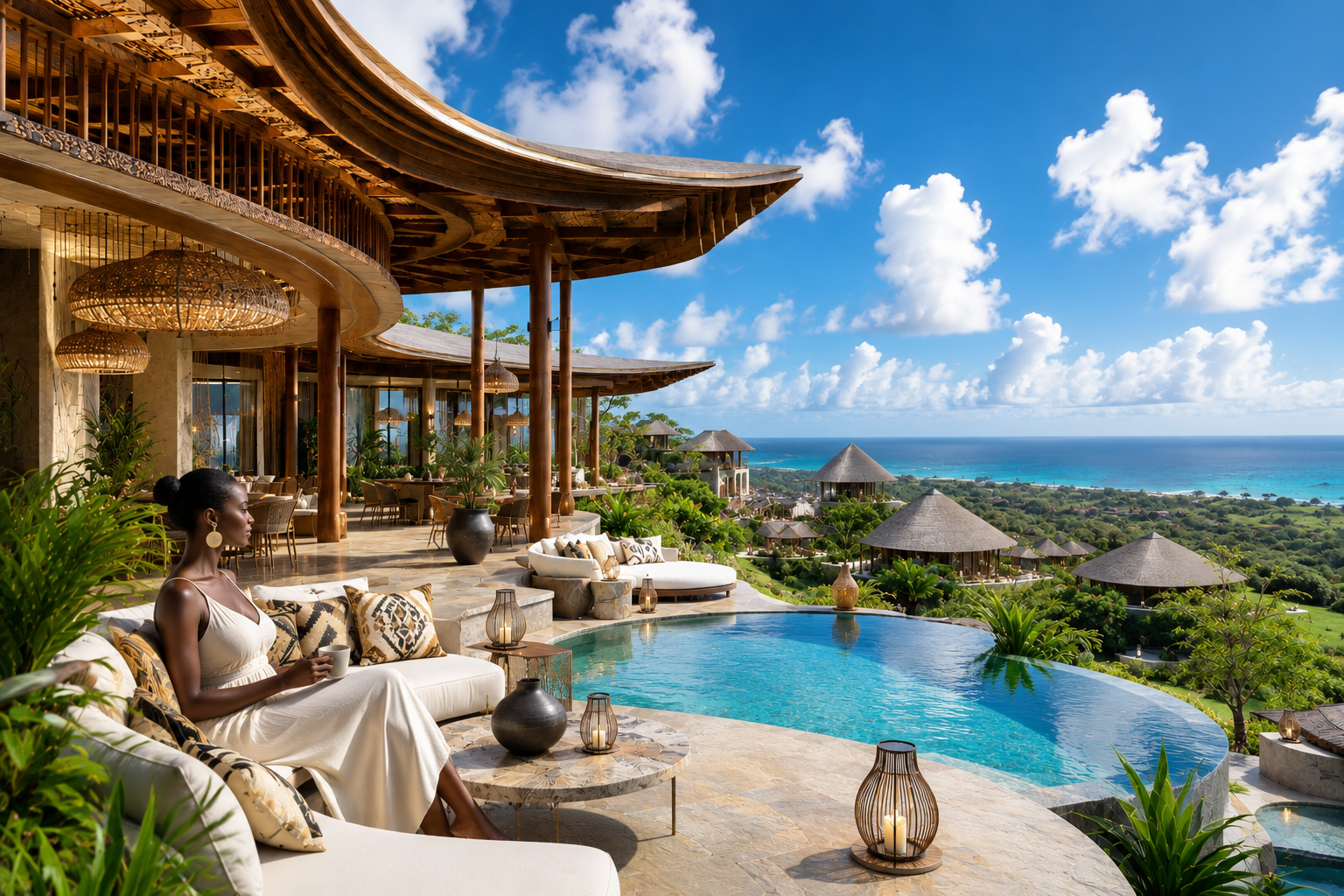
Discover how shifting market trends redefine luxury hospitality in Nigeria and premium hotels in Africa in 2026. Learn how to transform your guest experience.
The definition of a premium vacation has changed. True elegance no longer means just gold-plated lobbies or massive chandeliers. Today, affluent travelers seek deep cultural connections and mindful designs. By the end of this guide, you will master the top market trends driving this shift. You will also learn how to implement these changes to double your guest retention rates this year. Let us explore how luxury hospitality in Nigeria and premium hotels in Africa are setting new global standards.
The New Era of Premium Hotels Africa
For decades, top-tier hotels in major African hubs focused on physical grandeur. They built massive structures with imported materials. Today, a new wave of hotel trends in Africa points toward emotional and sensory design. Recent industry data from the Q1 2026 W Hospitality Group Pipeline Report reveals that Africa's hotel development pipeline has reached a record high of 123,846 rooms across 675 hotels and resorts.
Nigeria ranks as a dominant player in sub-Saharan Africa with 8,480 planned rooms across 57 active projects. Modern African travelers suffer from digital and urban exhaustion. They pay a premium for quiet luxury, privacy, and wellness. According to global data from the World Travel & Tourism Council, travel and tourism now injects over $186 billion annually into the African economy.
Furthermore, market analytics from Grand View Research value the global luxury hotel market at over $110 billion, with a projected 7.5% annual growth rate through 2033. The future relies on spatial intelligence. Hotels must create calming environments using local textures, soft lighting, and custom ambient scents. It is about how a space makes the guest feel, not just how it looks.
Three Macro Hotel Trends Africa Shifting the Industry
To stay competitive in the evolving Hospitality & Tourism sector, operators must adapt to these major shifts.
The Rise of Experience-Led Infrastructure
Luxury is no longer passive. Guests want to engage with their surroundings. Forward-thinking resorts now build hybrid lifestyle ecosystems. Market research from global property firm JLL Hotels & Hospitality confirms that experiential lifestyle hotels command a 20% premium in average daily rates compared to traditional business hotels.
Design for the Creative Economy
The African creative boom in fashion, film, and music has a significant impact on Hospitality & Tourism. Financial sector reporting by the African Development Bank indicates that Africa's creative industries are projected to create an additional 20 million jobs across the continent by 2030, significantly boosting domestic corporate travel. Modern properties are designed to be visually intelligent. This organic visibility drives massive brand awareness.
Deep Cultural Authenticity
Cloning European hospitality models no longer works. High-net-worth individuals want authentic African stories. Consumer insight tracking indicates that 73% of luxury travelers target culturally authentic food and art experiences over standardized international offerings. Additionally, a comprehensive AHIF Hospitality Whitepaper highlights that 89% of African travelers now prioritize eco-friendly and culturally integrated accommodations.
Practical Tips to Future-Proof Your Hospitality Brand
How can your business capitalize on these hotel trends in Africa? Here are three actionable strategies to implement right now.
Audit Your Sensory Identity: Evaluate your property’s lighting, acoustics, and scent. Small adjustments to ambient design dramatically increase guest comfort and length of stay.
Collaborate Globally and Locally: Partner with local designers and international hospitality consultants.
Create Hybrid Spaces: Convert underutilized lobby areas into co-working lounges or exclusive art exhibition zones. This maximizes square footage and attracts high-value local patrons.
Navigating the Hospitality & Tourism Investment Landscape
Developing experience-led infrastructure requires strategic capital. Nigeria’s youth demographic and rising middle class present an incredible opportunity for investors. Economic tracking from the National Bureau of Statistics shows that the hospitality sector remains one of the fastest-growing contributors to Nigeria's service GDP, despite broader macroeconomic shifts. Operators must balance cultural storytelling with robust operational efficiency. Brands that master this balance will dominate the premium market for the next decade.
Frequently Asked Questions
What defines luxury hospitality in Nigeria in 2026? Luxury now focuses on personalized experiences, intentional architectural design, privacy, and emotional well-being rather than just material wealth.
Why are premium hotels in Africa shifting to experiential designs? Travelers seek authentic cultural connections and relief from urban fatigue. Experiential spaces offer meaningful engagement that traditional hotels lack.
How does hospitality & tourism benefit from the creative industry? Visually stunning, culturally rich hotels attract filmmakers and fashion creators. This provides free global marketing and boosts brand prestige.
Partner With Us to Transform Your Brand
The future of premium travel belongs to brands that prioritize exceptional guest experiences. Do you want to update your existing property or launch a new luxury venture? We help you navigate the complex market trends to achieve sustainable growth.
Take Action Today:
• Call us: +234 806 496 8725
• Visit our website:www.thisisbusiness360.com