
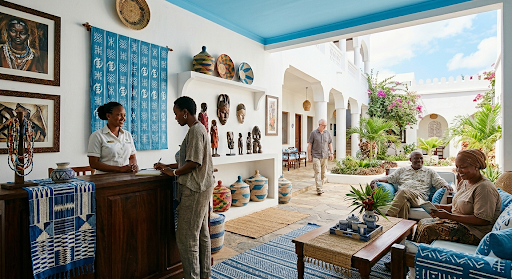
Discover how hotels use cultural hotel branding and local hospitality experiences to transform African culture hospitality into a global luxury standard.
The global travel market is experiencing a massive shift. Travelers no longer want uniform, cookie-cutter hotel rooms. Instead, they crave authentic, unforgettable human connections. According to the 2026 African Travel & Tourism Association (ATTA) market trends, international travelers are explicitly demanding deep cultural immersion.
In fact, analytical insights from the World Travel & Tourism Council show that the travel sector across the continent is projected to add 14 million new jobs over the next decade. This growth is being driven in large part by an unprecedented surge in demand for heritage-focused journeys. Forward-thinking brands are listening.
They are completely reshaping the hospitality & tourism sector by weaving indigenous traditions directly into the luxury guest journey. Promoting heritage is no longer just about hanging local art on lobby walls. It is a brilliant strategy. By pairing cultural hotel branding with rich storytelling, modern African hotels are successfully decolonizing luxury. They are setting a bold new standard for global hospitality.
Transforming Spaces with Cultural Hotel Branding
Architecture speaks directly to the soul before a guest even utters a word. For decades, international hotel chains across the continent mirrored Eurocentric designs, relying on clinical layouts and standardized Western aesthetics. Today, a vibrant design revolution is unfolding.
The Hotel Chain Development Pipelines in Africa report highlights a massive surge in development, with Egypt alone accounting for 45,984 rooms, representing 45% of the total pipeline on the continent. These new builds prioritize indigenous architectural aesthetics over traditional Western models.
Hotels are structurally embedding identity into their properties. They use locally sourced sustainable timber, traditional rammed-earth techniques, and iconic geometric patterns. This structural shift ensures that the physical building itself tells a captivating historical story.
Step into a premium boutique property today, and you will touch hand-woven Kente fabrics, marvel at complex West African beadwork, and walk on locally quarried stone. This intentional choice goes way beyond aesthetics. It injects vital capital directly into regional creative economies.
Crafting Unforgettable Local Hospitality Experiences
True luxury is felt through the senses. African hotels are masterfully replacing stiff, corporate check-in forms with deeply moving welcome rituals. Imagine arriving at a resort and being greeted with refreshing, locally brewed hibiscus tea or an aromatic Ethiopian coffee ceremony. These sensory touches instantly ground visitors in their new surroundings.
Recent consumer data published by Euromonitor International.) reveals that 15% of global travelers are actively willing to pay a premium specifically for specialized eco-tourism and authentic cultural activities. Furthermore, digital habits are shifting rapidly. A travel behavior study by Skyscanner reports that 72% of Gen Z travelers confidently use digital tools to seek out highly immersive, nontraditional accommodation options.
The culinary scene is undergoing a massive renaissance. Top hotel chefs are passionately elevating indigenous flavors. They are turning traditional street foods and regional spices into refined, world-class fine dining. Guests do not just eat a meal; they embark on a delicious cultural journey. These immersive, local hospitality experiences create powerful emotional bonds. They turn ordinary vacationers into lifelong brand ambassadors.
The Economic Power of Hospitality & Tourism
Promoting culture yields massive financial benefits. When a hotel embraces authentic branding, it fundamentally transforms its entire local supply chain. According to Market Data Forecast, the broader African travel market size climbed to $25.73 billion and is projected to reach $27.02 billion, driven directly by cultural showcases, local heritage festivals, and seasonal hospitality demand.
Sourcing Locally: Kitchens purchase fresh ingredients from nearby farmers.
Empowering Artisans: Designers commission unique furniture from community carpenters.
Cultural Curation: Traditional musicians, historians, and artists are hired as guides.
This seamless integration ensures that tourism revenue stays exactly where it matters most: within the local community. It shifts the industry from an extractive model to a deeply collaborative, empowering ecosystem. Culture has officially become the ultimate competitive advantage in Hospitality & Tourism marketing.
Practical Tips for Hospitality Owners to Inject Culture Authentically
If you operate a brand within the Hospitality & Tourism space, use these three practical strategies to scale your cultural engagement:
Audit Your Supply Chain: Intentionally replace imported decor, soaps, and ingredients with high-quality products crafted by local businesses.
Train Your Staff as Storytellers: Empower your team to share the rich history, meaning, and cultural significance behind your property's custom design elements.
Curate Community Collaborations: Partner directly with local neighborhood historians, artists, and creators to offer your guests exclusive, off-the-beaten-path experiences.
Frequently Asked Questions
What is African culture hospitality? It is the deliberate integration of indigenous African customs, culinary arts, designs, and values into modern hotel service models.
Why does cultural hotel branding matter? It creates a unique identity that differentiates a property from global competitors while attracting high-value, experience-driven travelers.
How do local hospitality experiences benefit host communities? They keep tourism dollars within regional economies by directly supporting local farmers, craftsmen, and cultural practitioners.
Transform Your Hospitality Brand
Are you ready to position your business at the forefront of modern market trends? Let us help you build a resonant brand that drives bookings, maximizes revenue, and captures global attention.
• Visit our website: www.thisisbusiness360.com
• Call us today: +234 806 496 8725