
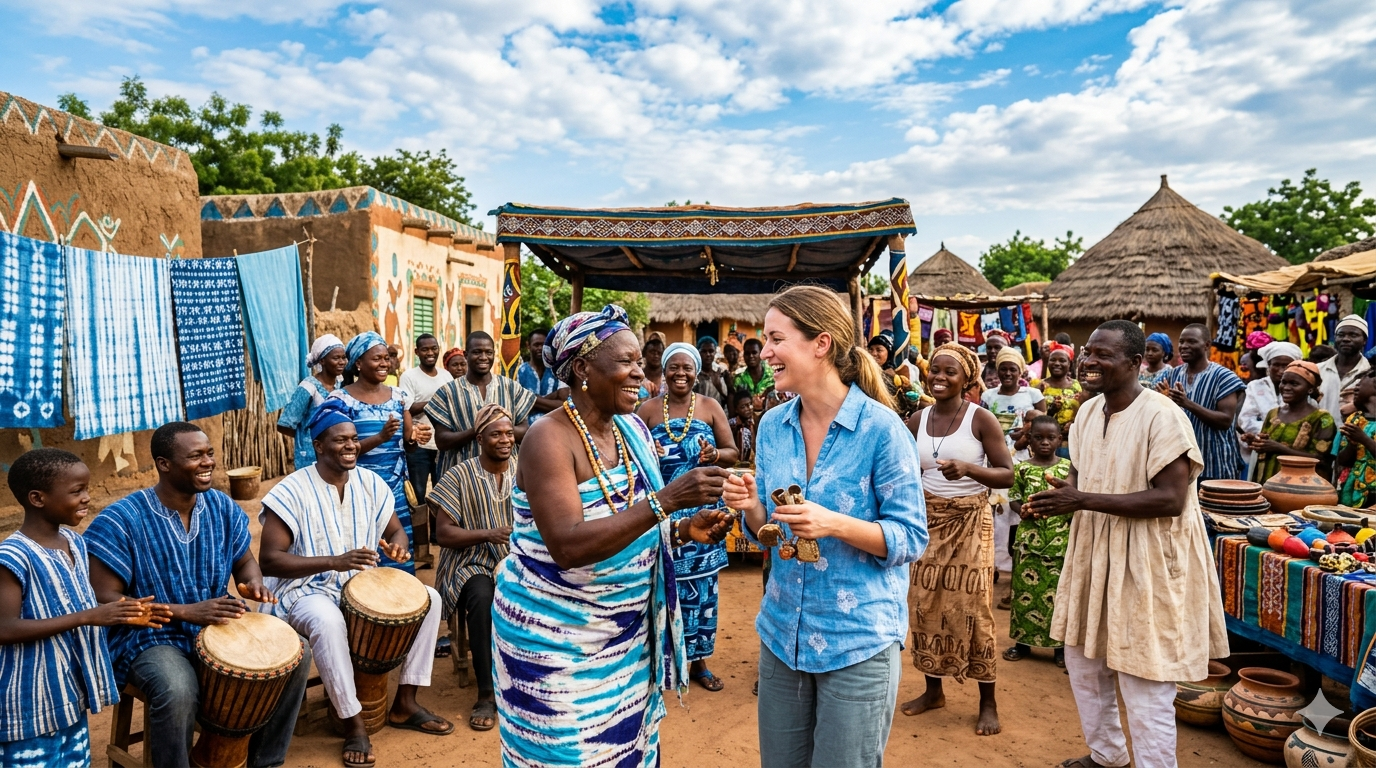
Discover how cultural tourism in Africa is reviving ancient traditions and driving economic growth. Read current 2026 market trends and expert tips.
Africa is entering a bold new era of preservation. For generations, sacred traditions faced the quiet threat of erosion. Today, a vibrant resurgence is sweeping across the continent. Local communities are reclaiming their ancestral narratives. They are transforming age-old customs into powerful economic drivers.
The secret weapon in this renaissance is cultural tourism in Africa. Travelers no longer want passive sightseeing. They crave deep, immersive connections. Modern adventurers want to hear history straight from community elders. This shift is breathing fresh life into ancient practices. It safeguards physical monuments and oral histories for future generations.
The Rise of Heritage-Led Growth
The global travel sector is shifting fast. Current 2026 data shows that travelers actively reject cookie-cutter holiday packages. Instead, they seek profound cultural exchanges. According to the latest 2026 Economic Impact Research data from the World Travel & Tourism Council (WTTC), travel and tourism will contribute $241 billion to Africa’s economy this year alone. This booming market is heavily fueled by travelers seeking indigenous art, music, and history.
This massive economic surge directly funds regional conservation. This trend is highly visible in emerging markets. For example, recent growth reports from the Brookings Institution show that consumer spending on tourism, hospitality, and recreation across Africa is projected to hit $261.77 billion by 2030.
When a historic site attracts visitors, it secures vital financial protection. Monies from entry fees help restore crumbling structural monuments. Craft sales keep ancient textile and beadwork techniques alive. Consequently, young locals see a viable career path in learning ancestral crafts. They no longer feel forced to abandon their roots for urban migration.
The Power of Tourism Storytelling in Hospitality & Tourism
Every historic monument requires a voice. Without context, an ancient ruin is just a pile of stone. This is where tourism storytelling completely changes the game. True preservation requires local guides who own the narrative. They provide updates on history that written textbooks often miss.
The mechanics of this process are clear and direct. When an authentic local storyteller shares their genuine history, it builds deep context and an emotional connection for the listener. This profound connection inspires visitor respect and leads to higher local spending.
A 2025 UNESCO impact analysis of cultural celebrations found that for every $1 invested in local cultural festival production, an estimated $2.51 is injected directly into the local economy. The study also highlighted that 61% of festival attendees are non-local travelers, underscoring how cultural events serve as significant economic and heritage boosters.
This dynamic alters how we approach Hospitality & Tourism management. Forward-thinking lodges now collaborate directly with local cultural custodians. This ensures that community voices remain at the heart of the guest experience. Authentic tourism storytelling protects sacred knowledge from commercial exploitation. It ensures that indigenous communities retain full control over their intellectual property.
Practical Tips for Boosting African Heritage Tourism
Building a successful community venture requires deliberate steps. You must balance financial growth with strict cultural preservation. According to a global tourism study published by the National Institutes of Health (NIH), the ultimate success and long-term health of heritage tourism depend entirely on the active inclusion of host communities in governance and decision-making.
Here are three practical solutions to optimize African heritage tourism sites based on successful market models:
Empower Local Youth: Train young community members as professional heritage storytellers. The WTTC notes that tourism will support 31.5 million jobs in Africa this year, making youth employment in heritage a major tool for financial independence.
Establish Living Museums: Avoid static displays. Create interactive cultural hubs where visitors safely learn traditional crafts, music, and culinary skills directly from experts. This aligns with UN Tourism data showing that international tourist arrivals in Africa have surged by 12% relative to previous baselines, signaling strong demand for interactive experiences.
Prioritize Community-Led Governance: Local elders must hold full veto power over tourism activities. This strategy prevents the cheap commercialization of sacred rituals.
Navigating Challenges in Hospitality & Tourism
Investing in cultural preservation brings unique operational hurdles. Overcrowding can easily degrade fragile historical assets. Striking the right balance between accessibility and absolute protection is tough. Quantitative data on international arrivals reveal that each new globally recognized historical landmark can attract over 2 million additional international visitors to a region.
Strong management practices help balance infrastructure needs with authenticity. Successful destinations limit daily visitor numbers to sensitive locations. They use revenue to build eco-friendly pathways and clear signage. This sustainable approach to Hospitality & Tourism keeps the community safe. It ensures that heavy foot traffic never destroys the underlying historical asset.
Frequently Asked Questions
How does cultural tourism in Africa support local economies? It creates sustainable jobs for guides, artisans, and hospitality workers. The revenue flows directly into rural communities. This funding keeps ancient traditions financially viable for young generations.
Why is tourism storytelling vital for heritage preservation? It shifts the focus from passive consumption to active education. When visitors understand the deep spiritual meaning behind a tradition, they treat the culture with immense respect.
What are the latest market trends in African heritage tourism? Modern travelers actively seek immersive, community-led experiences over commercial resorts. Visitors want authentic culinary exchanges, music festivals, and interactive craft workshops managed by local hosts.
Join the Cultural Renaissance
Are you ready to elevate your hospitality business?
Take Action Today:
• Call us directly: +234 806 496 8725
• Visit our website: www.thisisbusiness360.com