
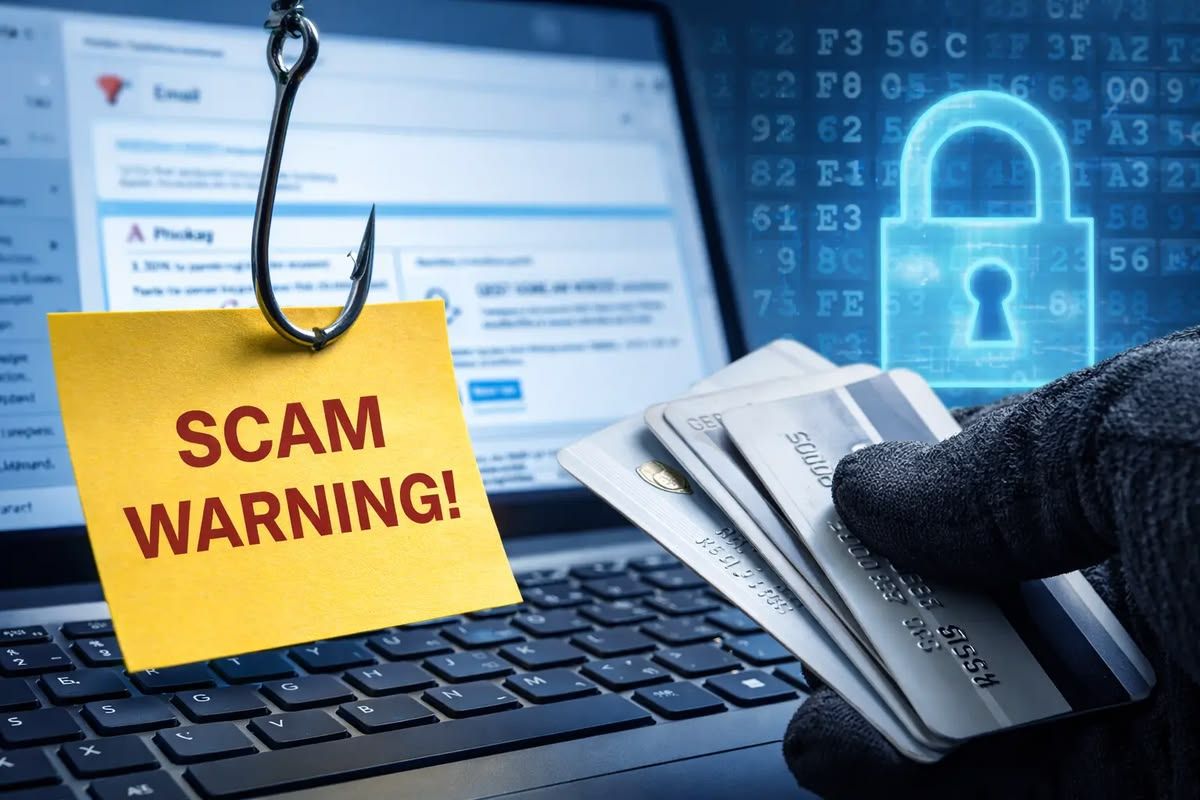
Online scams that African businesses face are rising fast. Learn how to spot red flags, protect your money, and build a safer digital business environment today.
Online scams that African entrepreneurs encounter daily are growing more sophisticated, more targeted, and more financially devastating than ever before. As more African businesses migrate to digital platforms, the fraudsters follow with schemes carefully designed to exploit trust, urgency, and the genuine excitement that comes with building something new online.
The damage is not just financial. A single successful scam can destroy supplier relationships, wipe out working capital reserves, damage your brand reputation, and erode the customer trust that took months or years to build. Understanding what these scams look like, how they operate, and what you can do to stop them before they succeed is knowledge that pays for itself many times over the moment it prevents even one costly incident.
The Most Common Online Scams Targeting African Businesses
- Advance Fee Fraud
Advance fee fraud remains one of the most persistent online scams across Africa, despite being one of the oldest and most widely known. The scheme typically promises a large payment, contract, or business opportunity in exchange for a small upfront fee to cover taxes, transfer costs, or administrative requirements. The promised reward never materializes, and the fee paid is lost entirely.
Interpol’s cybercrime awareness resources document advance fee fraud as one of the most prevalent financial crimes globally, with African businesses frequently targeted due to their growing online visibility and expanding international commercial activity. Never send money to unlock a payment, claim a prize, or access a contract you did not actively pursue through verified, established channels.
- Fake Investment Platforms
Fraudulent investment platforms are proliferating across African social media channels with alarming speed and increasingly convincing presentation. They promise guaranteed high returns, display fabricated testimonials, and create artificial urgency to push victims into depositing funds before they conduct any meaningful due diligence into the platform’s legitimacy or regulatory standing.
The Securities and Exchange Commission of Nigeria actively publishes warnings about unregistered investment platforms targeting Nigerian investors, reflecting a continent-wide problem that regulatory bodies across Africa are working to contain.
Always verify that any investment platform holds the appropriate license from your country’s securities or financial services regulator before depositing a single naira, cedi, or shilling. If a platform cannot be verified through official regulatory registers, treat it as fraudulent by default, regardless of how professional its marketing materials appear.
- Phishing and Identity Theft
Phishing attacks targeting African businesses have grown significantly more sophisticated, with fraudsters creating near-perfect replicas of legitimate banking portals, payment platform login pages, and supplier websites designed to capture account credentials and financial information from unsuspecting business owners and their teams.
The African Union’s cybersecurity framework addresses the continent-wide urgency of protecting digital identities as African businesses increasingly conduct sensitive financial transactions online. Train every team member with access to your business accounts to verify URLs before entering any credentials, enable two-factor authentication on every platform that supports it, and treat any unsolicited email requesting login information or financial details as fraudulent until definitively proven otherwise through independent verification.
- Fake Supplier and Buyer Scams
As African e-commerce and cross-border trade expand, fake supplier and buyer scams have become an increasingly costly problem for entrepreneurs seeking to grow their businesses through new commercial relationships. Fake suppliers collect payment for goods that are never delivered, while fake buyers submit fraudulent purchase orders designed to extract samples, credit terms, or sensitive business information from trusting vendors.
The International Trade Center’s guide to safe cross-border trade provides practical verification frameworks for African businesses entering new supplier and buyer relationships across continental and international markets. Always conduct independent verification of any new supplier or buyer before processing payment or extending credit.
Practical Steps to Protect Your Business From Online Scams
Building strong scam defenses into your everyday business operations is not complicated. The most effective protection is consistently applied habits rather than expensive technology solutions that require specialist maintenance and management.
Here are the most important protective actions every African online business should implement immediately:
- Verify before you pay: Independently confirm any payment request through a separate, verified communication channel before authorizing any transfer of funds.
- Use secure payment platforms: Process all business transactions through licensed, regulated platforms with documented fraud protection and dispute resolution.
- Protect your business accounts: Enable two-factor authentication on every business platform, bank account, and communication tool your team uses in daily operations.
- Educate your team: Run regular brief training sessions on current scam tactics so every team member can identify and report suspicious communications before they cause damage.
- Report incidents promptly: Report any scam attempt to your country’s cybercrime authority, your bank’s fraud department, and relevant regulatory bodies to protect other businesses in your ecosystem.
At ThisIsBusiness360, we help African entrepreneurs build digital business practices that prioritize security, trust, and commercial resilience at every stage of online business growth and development.
How to Stay Current on Evolving Online Scam Tactics
Scammers adapt constantly, refining their techniques as public awareness of older schemes grows and as gaps that previously exposed their fraudulent operations close. Staying protected requires ongoing attention to new tactics emerging across African digital markets, rather than relying exclusively on knowledge of scams prevalent years ago.
Monitoring market trends in cybercrime, including new phishing techniques, emerging fraudulent platforms, and evolving social engineering tactics, provides African business owners with early-warning intelligence they need to update their defenses before new threats cause real financial damage.
The Nigerian Communications Commission’s consumer protection resources provide updates on emerging digital fraud tactics targeting Nigerian businesses and consumers, offering timely intelligence that applies across the broader West African market. Subscribe to cybersecurity alerts from your country’s regulatory authorities, follow credible African technology and finance news sources, and review your business’s security protocols at least every six months to ensure your defenses reflect current threat patterns rather than outdated assumptions about how scammers operate.
Frequently Asked Questions
- How do I verify whether an online business opportunity in Africa is legitimate? Check business registration through official government registries, verify licenses with relevant regulatory bodies, and seek independent references from established businesses that have previously worked with them.
- What should I do immediately if my African business falls victim to an online scam? Report the incident to your bank’s fraud team, your country’s cybercrime authority, and relevant regulatory bodies immediately. Document all communications and transactions related to the incident for investigation purposes.
- How do online scams affect business finance and cash flow in Africa? Scams directly drain working capital, disrupt supplier payment cycles, and force unplanned borrowing to replace stolen funds, creating cascading finance problems that can destabilize otherwise healthy businesses.
- Are small African businesses more vulnerable to online scams than larger ones? Yes. Smaller businesses typically have fewer formal security protocols, less staff training in fraud awareness, and more limited resources to recover from financial losses resulting from successful scam attacks.
- How can African entrepreneurs protect their digital payment accounts from fraud? Enable two-factor authentication, use unique, strong passwords for every platform, monitor transaction alerts in real time, and immediately report any unauthorized activity to your payment provider’s fraud team.
A Scam Avoided Is Profit Protected. Stay Alert, Stay Safe.
Every African entrepreneur building an online business deserves to do so without losing hard-earned revenue to fraudsters exploiting digital trust. The tools, knowledge, and habits covered in this article are not theoretical. They are the practical defenses that keep African businesses financially safe, commercially credible, and operationally resilient in a digital environment where threats are real, persistent, and evolving continuously.
Stay informed, stay skeptical of anything that seems too easy or too lucrative, and build verification habits that make your business a far harder target than the unprepared businesses fraudsters prefer to target.
ThisIsBusiness360 is here to help you build a secure, trustworthy, and profitable online business in Africa.
- Call us today: +234 806 496 8725
- Visit our website: www.thisisbusiness360.com
Your business security is your business survival. Protect both with the knowledge, habits, and expert support that make the difference when it matters most.